Posted by Ho'okipa Villas
Filed in Arts & Culture 45 views
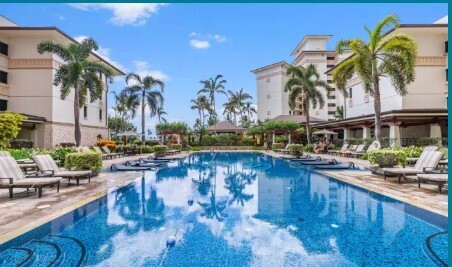
The physical construction of a coastal high-rise requires a specific set of engineering standards that go far beyond basic aesthetics. In a tropical environment where salt spray, high humidity, and trade winds are constant factors, the choice of materials determines the longevity of the structure. When looking at the western coast of Oahu, specific buildings stand out for their ability to integrate these environmental demands with high-density residential needs. The objective is to provide a stable, quiet, and thermally efficient environment for residents who are staying in these vertical communities. This involves a rigorous assessment of wind load calculations and the thermal properties of reinforced concrete. Structural engineers spend countless hours analyzing the specific topographical features of the coastline to ensure that every foundational element can withstand the unique pressures of the island environment. This meticulous planning is what guarantees a secure and comfortable stay for every guest, regardless of the weather conditions outside.
A primary concern for any building situated near the Pacific is the corrosive nature of the air. Standard steel and low-grade finishes quickly degrade, leading to significant maintenance costs and structural concerns. High-performance coatings and marine-grade alloys are required for all exposed surfaces. Within the ko olina beach villas ocean tower, the use of specific glazing on the windows helps to deflect solar heat, reducing the energy needed for cooling. This technical approach to design ensures that the internal temperature remains consistent without relying solely on mechanical systems. Furthermore, the thickness of the floor slabs is calculated to minimize sound transfer between levels, which is a common complaint in lesser-scale properties. By prioritizing acoustic separation, the designers have created an environment where multiple families can reside in close proximity without disturbing one another. This attention to detail extends to the sealing of doors and windows, which provides an additional layer of soundproofing against the natural elements and human activity alike.
The orientation of a tower plays a significant role in its daily operational efficiency. By aligning the structure with the prevailing trade winds, architects can encourage natural ventilation through common areas and private balconies. This reduces the heat island effect often seen in densely packed urban centers. The design of the lanais is not just for the view; they serve as physical sunshades that protect the glass skin of the building from direct afternoon sun. This functional design choice keeps the living areas comfortable while providing a physical buffer against the elements. It is this marriage of physics and architecture that allows for a high standard of living in a challenging tropical climate. Residents benefit directly from this intelligent alignment, as the natural airflow often eliminates the need for continuous air conditioning. This not only creates a more organic living experience but also significantly reduces the environmental footprint of the building, matching modern comfort with ecological responsibility.
Seismic activity and tropical storm preparedness are non-negotiable aspects of Hawaiian construction. The foundation work for these towers involves deep piling into the basalt substrate to ensure absolute stability. Weight distribution across the central core of the building allows for the open-plan layouts that guests expect today. By removing the need for numerous internal load-bearing walls, engineers provide a sense of space that is often missing from older developments. This structural freedom allows for the large, sliding glass walls that define the modern Hawaiian residential experience, providing a sturdy yet transparent connection to the surrounding environment. This engineering feat means that residents can enjoy sweeping, unobstructed views of the coastline without any compromise to their physical safety. The integration of flexible structural joints further ensures that the building can absorb natural movements gracefully, offering profound peace of mind to everyone staying within its walls.
Conclusion
The success of a coastal high-rise depends on the invisible work of engineers and material scientists. By prioritizing durability and environmental harmony over simple decoration, these structures provide a reliable and efficient home base for those visiting the islands. Understanding these technical elements helps travellers appreciate the quality and safety of their chosen accommodation.
Call to Action
To see how these engineering principles create a superior living environment for your next stay, examine our detailed property specifications and floor plans.